Why African Vendors Are Choosing Sporahub to Reach the World
The Old Way Wasn’t Working
For years, African artisans and small business owners faced the same exhausting choice: sell locally (and limit your market) or fight for visibility on massive platforms like Etsy or Amazon that weren’t designed with African goods — or African sellers — in mind.
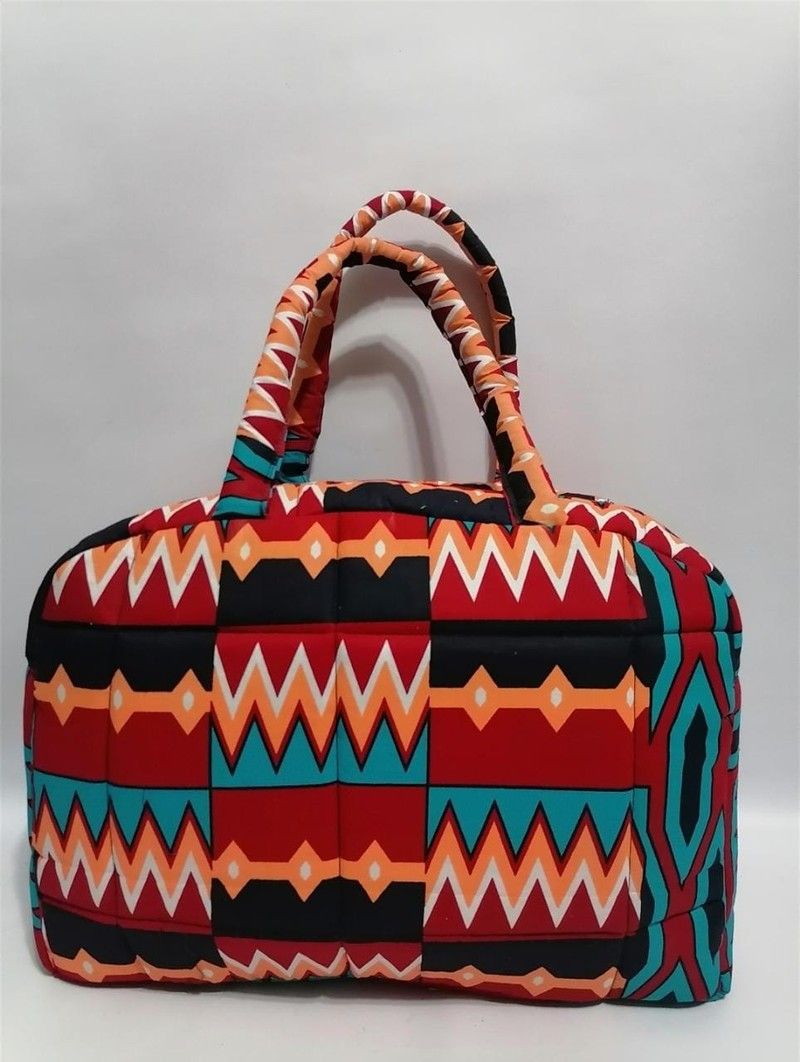
The fees alone were enough to sink a small operation. Listing fees. Monthly subscription fees. Transaction fees. Payment processing fees. Advertising fees, just to show up in search results. By the time a buyer paid $40 for your Ankara bag, you might clear $18.
And that’s before accounting for the cultural mismatch. Categories designed for Western crafts. Search algorithms that buried “African wax print” listings because they didn’t match familiar Western shopping patterns. Customer service that didn’t understand your context.
Something had to change.
Zero Fees Until You Sell — That’s the Whole Model
Sporahub’s approach is refreshingly simple: it costs nothing to set up your store, nothing to list your products, and nothing monthly just to exist on the platform. You only pay when a transaction completes.
A vendor in Lagos with 20 handmade products can list all of them without risking a cent. A diaspora entrepreneur in Manchester can open her store on a Sunday afternoon and have it live by evening. A small spice cooperative in Accra can test the international market without a finance committee sign-off.
The commission-only model puts Sporahub’s incentives exactly where they should be: the platform succeeds only when you succeed.

Your Store, Your Brand
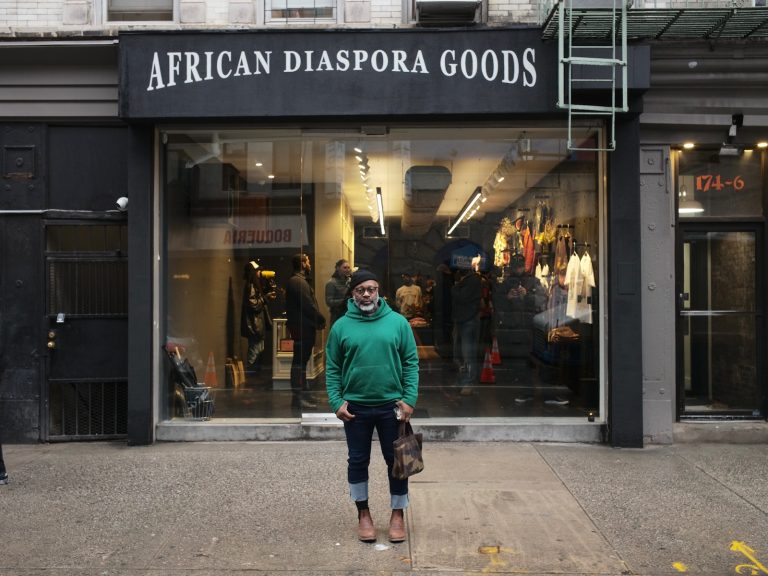
Unlike selling through general marketplaces where your product appears alongside a thousand unrelated items, Sporahub gives each vendor a dedicated storefront. Your buyers can browse your full catalog, read your story, and build a relationship with your brand — not just click a single product and disappear.
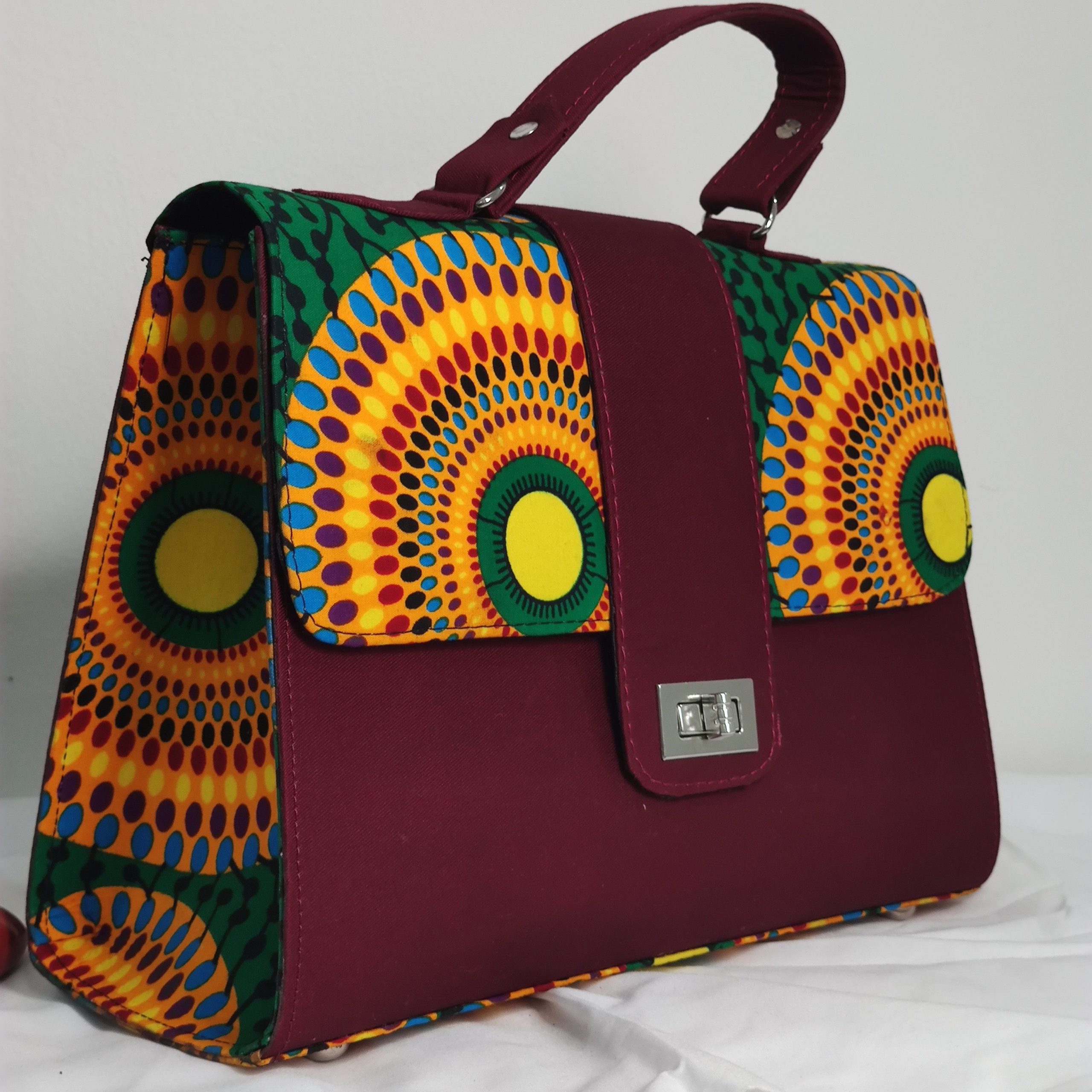
This matters for the type of goods Sporahub is built for. African fashion, food, and wellness products aren’t impulse purchases for most diaspora buyers. They’re connected to identity, memory, and culture. A buyer who discovers your Suya spice blend wants to know you — your story, your process, your other products. A dedicated store makes that possible.
The platform also includes:
- Vendor analytics dashboard — track your sales, inventory, and customer patterns
- Shipping API integration — connect to shipping providers and generate tracking numbers directly
- Secure payments — PayPal and Stripe, trusted by buyers worldwide
- Product review system — build credibility through verified customer feedback
The Diaspora Buyer Is Ready
Here’s something the numbers make clear: the global African diaspora is one of the most economically active and culturally connected communities in the world. Over 170 million people of African descent live outside the continent. Many of them send money home, cook traditional dishes, wear African fashion, and actively seek ways to stay connected to their roots through the things they buy.
This isn’t a niche market. It’s a hungry, underserved one.
What diaspora buyers often tell us is that they want authenticity. They’ve tried the imitations in Western supermarkets. They know the difference between real chin-chin and a pale grocery store substitute. They’ll pay a fair price for the real thing — they just haven’t had a reliable place to find it.
Sporahub is that place.
Getting Started Is One Afternoon
The registration process is straightforward. You’ll need:
- An active email address
- A PayPal account (for receiving payments)
- Your product photos and descriptions
- A shipping method you can commit to
From there, the vendor dashboard walks you through store setup. And if you’ve never written an e-commerce product description before, there are templates and guides to help you present your products clearly and compellingly.
The most important thing is to list everything you have. Vendors with more products in their catalog show up more often in buyer searches. Start broad — you can always refine later.
This Is Your Market, Built for You
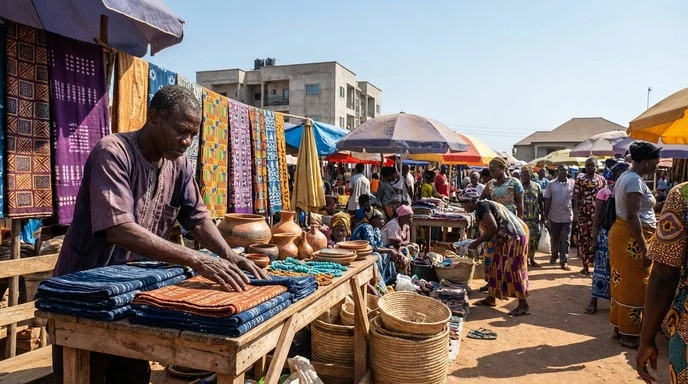
Sporahub isn’t a platform that happens to allow African goods. It’s a marketplace built specifically because African goods deserve their own home — and African vendors deserve a platform that understands their context, respects their economics, and actively works to connect them with buyers who are already looking for them.
The bridge is here. Your customers are on the other side.
Questions about setting up your store? Visit our FAQ page or reach out through the vendor portal.