No products in the cart.
African Fashion Is Having Its Global Moment — Here's How to Wear It With Intention
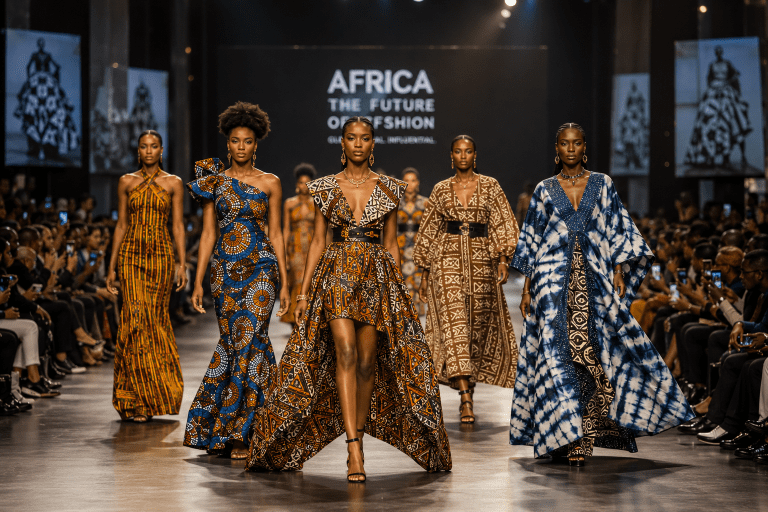
Something has shifted in global fashion, and it's been building for years. Ankara prints on international runways.
Kente-inspired accessories at Grammy ceremonies. Adire tie-dye patterns reappearing in high-street collections from London to Los Angeles. Afrofusion style — that fluid blend of traditional African textiles with contemporary silhouettes — has moved from the pages of niche publications to the feeds of millions of people who never previously knew what a George fabric was. African fashion is no longer a hidden gem. It's a global conversation.
But for those of us inside that culture — and for anyone who wants to engage with it genuinely — the question isn't just what to wear. It's how to wear it well, where to source it authentically, and what it actually means.
A Quick Cultural Map of African Textiles
“African fashion” is a vast phrase that covers an entire continent of distinct textile traditions. Understanding even the basics helps you shop more intentionally and appreciate what you’re wearing.
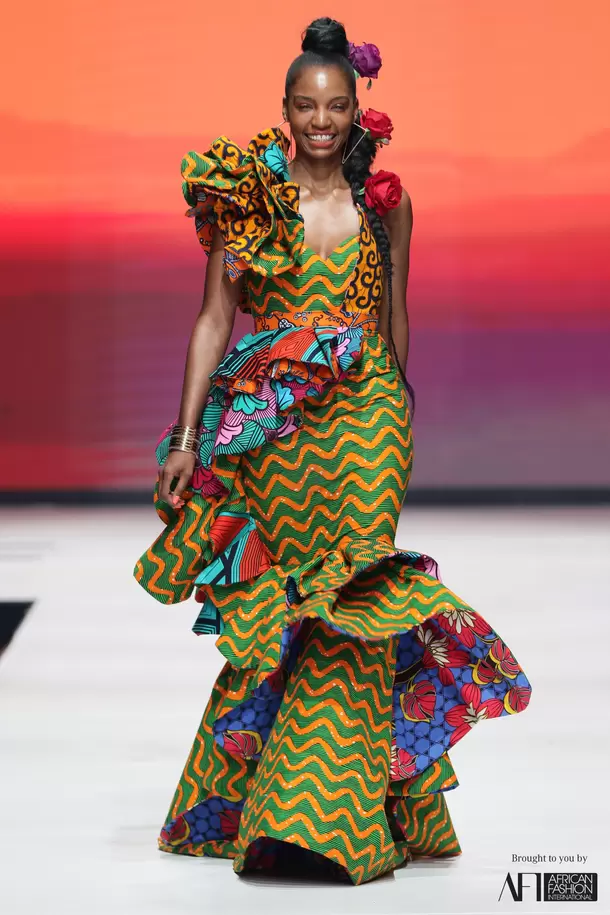
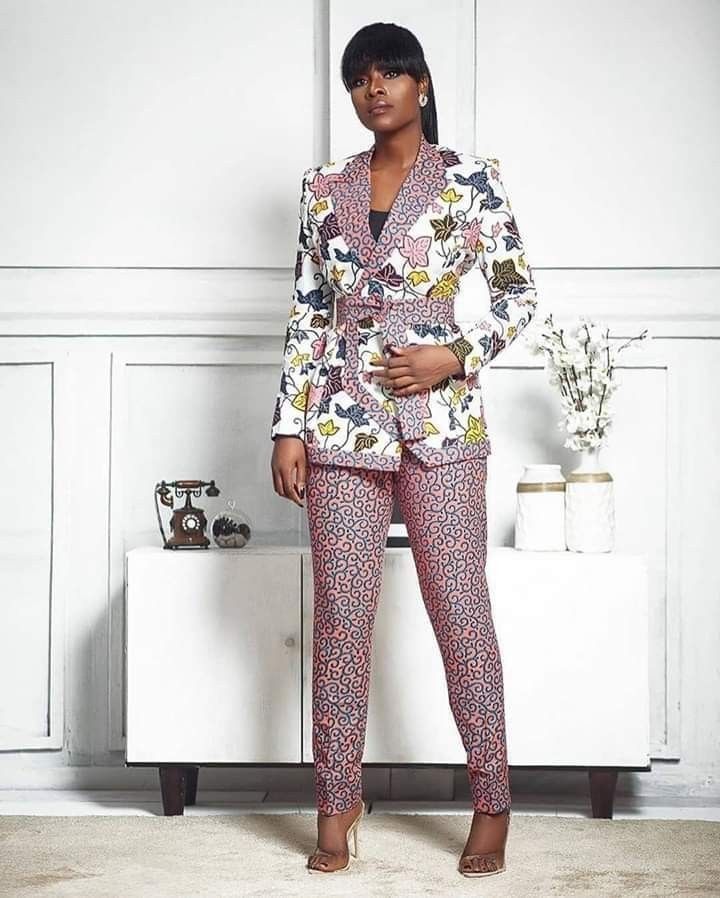
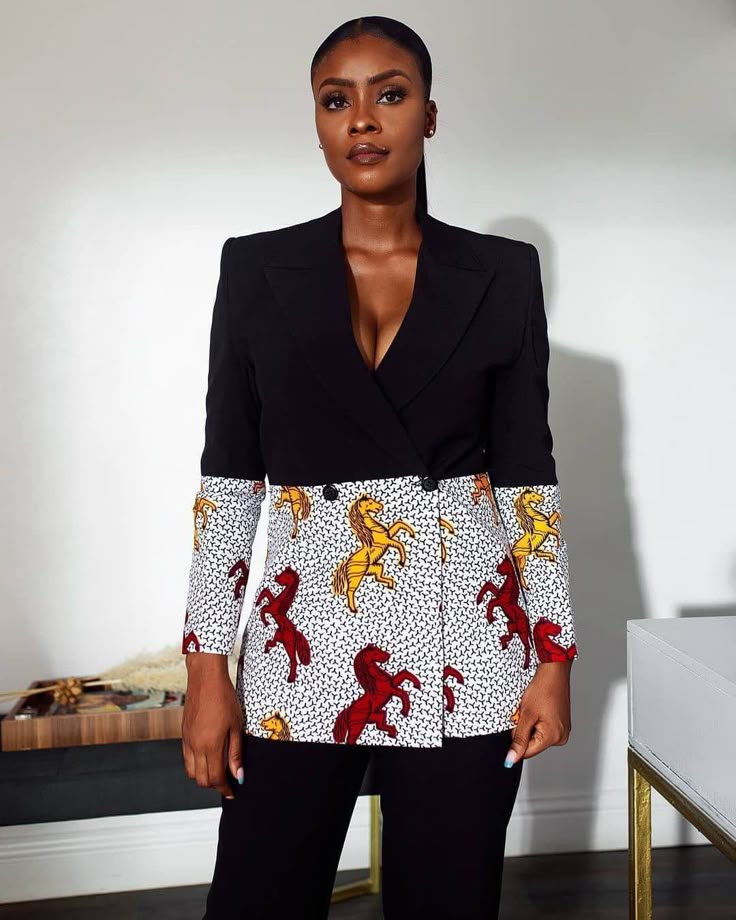
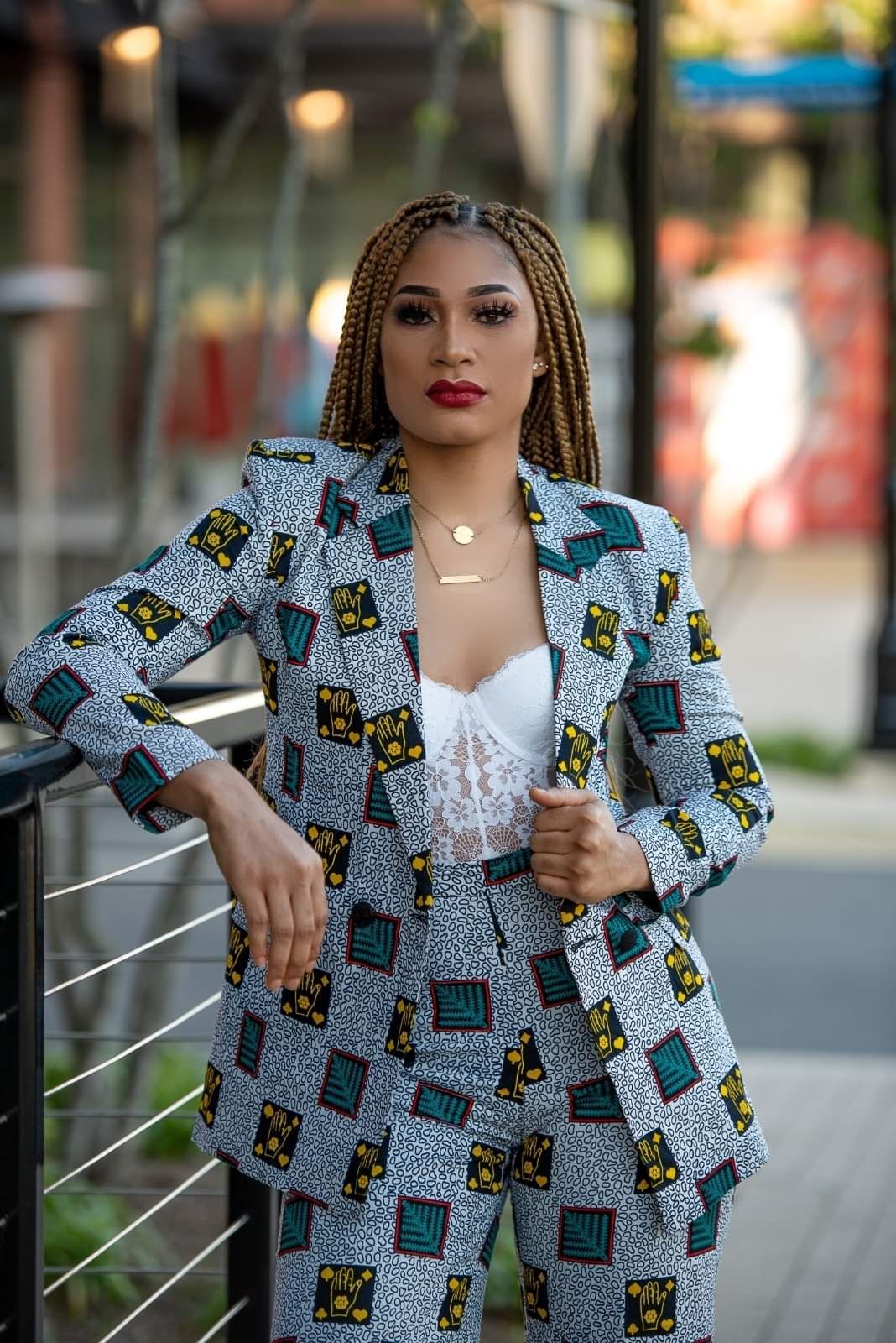
Ankara (also called African wax print) The most internationally recognized African textile. Characterized by bold geometric and floral patterns in vivid colors, Ankara is produced through a wax-resist printing process. Though the industrial method has Dutch origins, the fabric has been deeply claimed and transformed by West and Central African fashion for over a century. Nigeria, Ghana, and Ivory Coast have particularly vibrant Ankara fashion cultures.
Wear it for: Everything. Ankara is genuinely all-occasion when styled well — from casual wrap skirts to structured blazers to formal evening gowns.
Kente Hand-woven silk and cotton fabric from Ghana, traditionally made by the Ashanti and Ewe peoples. The distinctive interlocking strips of yellow, green, red, and black carry specific symbolic meanings — colors and patterns that communicate status, occasion, and identity. Kente is not everyday wear in its traditional form; it’s ceremonial and celebratory.
Wear it for: Graduations, weddings, cultural celebrations, heritage events. Treat it with the formality it carries.
Kanga & Kitenge Primarily East African — Kenya, Tanzania, Uganda — these printed cotton fabrics are used as everything from wraps and headscarves to full garments. Kanga often includes a Swahili proverb printed along its border, which is part of its cultural meaning. Kitenge is similar but slightly heavier and typically used for tailored clothing.
Wear it for: Casual and semi-formal occasions; Kanga in particular is a beautiful, lightweight option in warm weather.
Adire A Yoruba hand-dyeing tradition from Nigeria, producing deep indigo blue fabrics with distinctive white resist patterns. Adire eleko (starch resist) and adire oniko (tie-dye) are the two main techniques. Contemporary designers have revived and modernized Adire, making it one of the most exciting spaces in African fashion right now.
Wear it for: Contemporary casual and artistic settings where the craftsmanship can be seen and appreciated.
Mud Cloth (Bògòlanfini) From Mali, this hand-woven cotton fabric is decorated with fermented mud, creating the distinctive earthy geometric patterns. It’s one of the most globally recognized West African textiles, particularly beloved in interior design and accessories.
Wear it for: Statement pieces — a jacket, a bag, a wrap — where the textile is the focal point.
The Difference Between Appreciation and Appropriation
This is a conversation worth having directly, because African fashion’s global moment has brought with it genuine questions about engagement.
The short version: the difference between cultural appreciation and appropriation tends to come down to how you engage.
Appropriation typically looks like: adopting a cultural aesthetic without acknowledging its origins, commercially profiting from it while the source culture is excluded, wearing ceremonial items without understanding their significance, or treating an entire continent’s diverse traditions as an interchangeable aesthetic.
Appreciation typically looks like: learning what you’re wearing and where it comes from, sourcing from vendors who are actually from those cultures, crediting the origin when you speak about what you’re wearing, and engaging with the culture broadly rather than just the visuals you find attractive.
If you’re not from an African cultural background and you love African fashion — that’s genuinely welcome. African designers, vendors, and fashion communities want global engagement. They want their work seen and valued. The ask is simply that you bring respect and curiosity with you.
How to Build an Authentic African Wardrobe Piece by Piece
You don’t need to overhaul your wardrobe. The most sustainable approach to incorporating African fashion is slow and intentional.
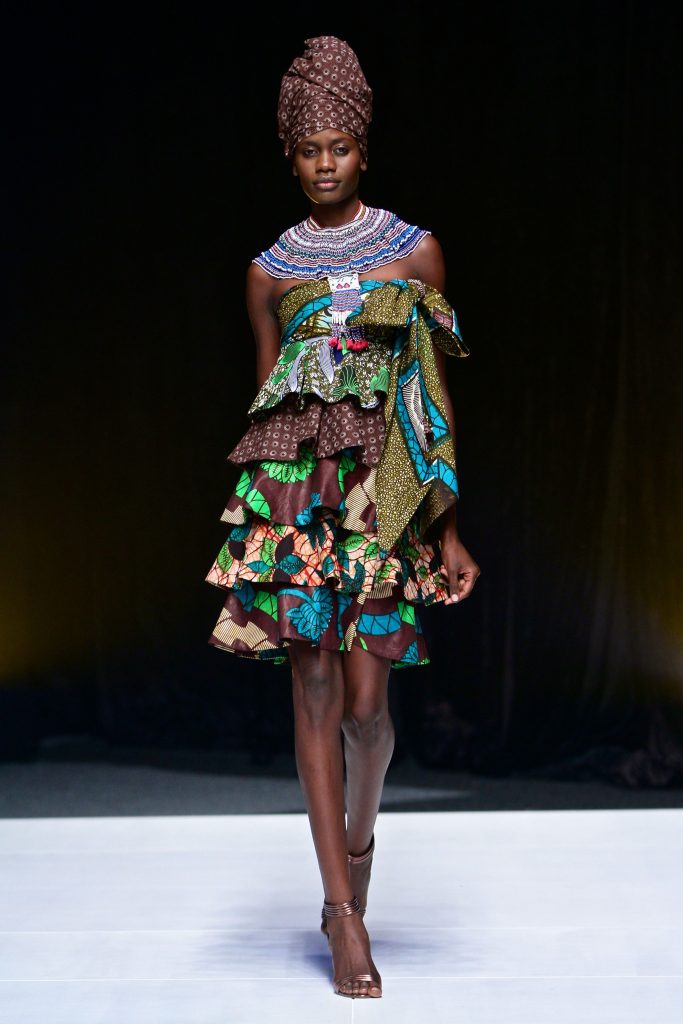
Start with accessories. A beaded bracelet, a woven bag, a printed headscarf — accessories let you incorporate African textiles into any existing wardrobe without committing to a full look. They’re also typically lower cost and easier to style experimentally.
Add one statement piece. An Ankara blazer. A Kanga wrap skirt. A Kitenge shirt. One piece that becomes the focal point of an outfit you build around it. This forces you to learn to style the fabric and figure out what you love.
Go to a tailor if you can. The most sophisticated approach to African fashion — and the one practiced by most Africans — is to take fabric to a skilled tailor and have something made. This is how garments fit properly, look most intentional, and become truly yours. Many Sporahub vendors sell fabric specifically for this purpose.
Learn care instructions. African fabrics vary significantly in how they should be washed and maintained. Ankara and most printed cotton fabrics can be hand-washed in cold water but should generally avoid hot machine washing (which fades prints quickly). Kente and woven silk blends often require dry cleaning. Always ask the vendor.
What to Look for When Buying Online
Shopping for African fashion online requires a bit more attention than in-person shopping, but it’s entirely manageable with a few habits.
Check multiple product photos. A single photo rarely shows how a fabric drapes, how the colors truly look, or how the pattern repeats. Good vendors on Sporahub provide multiple angles including styled shots showing how the garment or fabric looks when worn.
Read the fabric description carefully. Is it 100% cotton, a polyester blend, or a silk weave? Fabric composition affects how it feels, drapes, and should be washed. The description should tell you.
Look at the vendor’s other listings. A vendor who takes pride in their work tends to show it across their whole catalog — consistent photography, detailed descriptions, clear sizing. First-time vendors are fine to try, but the catalog tells you a lot.
Size carefully. African fashion sizing conventions vary significantly from Western ones. Many traditional garments are intentionally generous. When in doubt, measure and compare to the size guide rather than assuming your usual size translates.
Check the return and refund policy. Sporahub’s vendors each maintain their own return policies, visible on their store profile. Understand what you’re agreeing to before you buy, particularly for tailored items.
Five Outfit Frameworks That Work
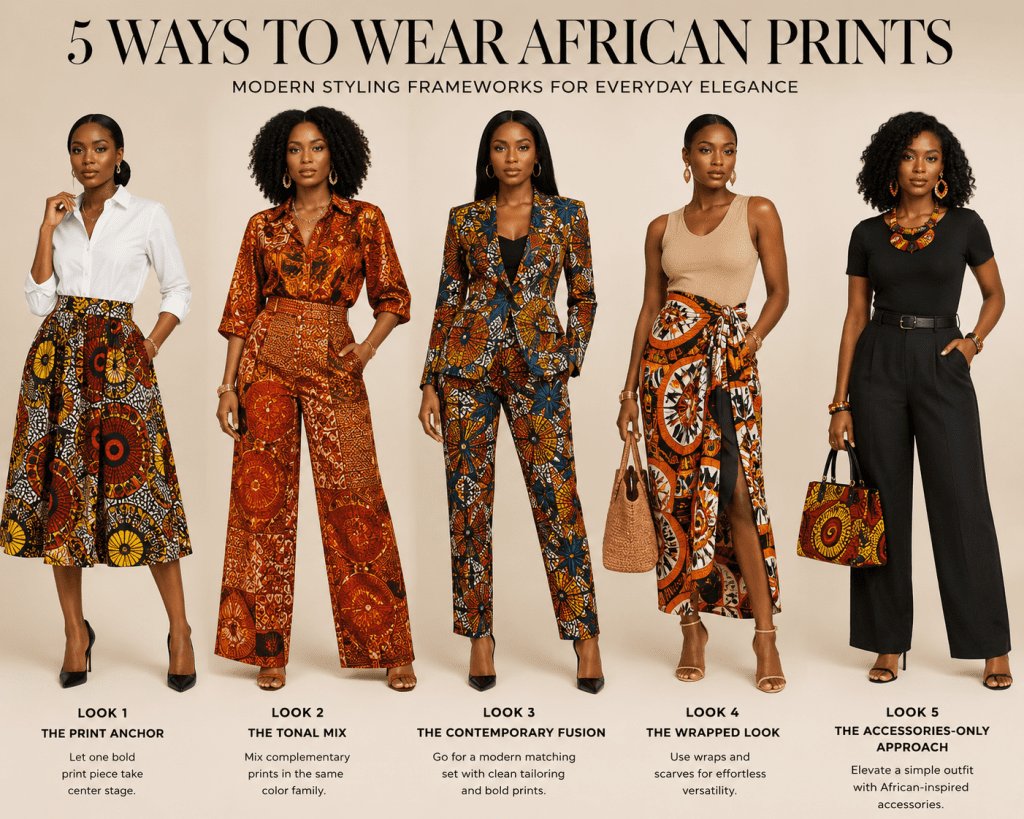
If you’re new to styling African prints and fabrics, these are reliable starting points:
1. The Print Anchor: One Ankara or Kitenge piece as the focal point (e.g., a printed skirt), everything else neutral — white blouse, black shoes, minimal jewelry. The print does all the work.
2. The Tonal Mix: Multiple African prints in a similar color palette worn together. This takes confidence but rewards it — two Ankara prints in the same family of oranges and reds create something extraordinary.
3. The Contemporary Fusion: A traditional fabric in a completely modern silhouette — a tailored Ankara suit, a Mud cloth varsity jacket, an Adire fitted dress. This is where African fashion is doing its most interesting contemporary work.
4. The Wrapped Look: A Kanga or Kente-inspired wrap styled as a skirt or overskirt over simple base pieces. This works beautifully in warm weather and is immediately impactful with very little effort.
5. The Accessories-Only Approach: Your regular outfit, elevated with a beaded necklace, woven earrings, and a wax print bag. Subtle, but carries the cultural connection clearly.
Shop African Fashion Authentically
The vendors on Sporahub selling clothing, fabric, and accessories represent exactly the kind of authentic sourcing these conversations call for — artisans and entrepreneurs from within African and diaspora communities, selling goods that are the real thing.
Browse what they’ve made, learn the stories behind the fabrics, and build a wardrobe that carries meaning.
Styling questions? Drop them in the comments below — we want to hear how you’re wearing it.