
No products in the cart.
The Diaspora Gift Guide: 10 Authentic African Gifts You Can Actually Ship Internationally
You're sitting thousands of miles from home, and someone important to you has a birthday, a graduation, a new baby, or just a hard week that deserves a proper acknowledgment. You want to send something real. Something that says I see you, I know you, I'm still connected to where we came from.
Not a gift card. Not a generic Amazon package. Something with meaning.
This guide is for the diaspora — African communities living in Canada, the UK, the USA, Europe, and beyond — who want to give gifts that carry cultural weight and arrive safely on the other side of the world.
Why Gifting From Abroad Hits Different
There’s a particular kind of love language in the African diaspora that involves sending things home. A box of American snacks to a cousin in Lagos. A bottle of Canadian maple syrup tucked into a suitcase. An Ankara outfit sent from London to a mother in Accra.
But it works the other way too — sourcing authentic African goods to send to family and friends within the diaspora, or keeping your own home stocked with the flavors and fabrics of where you’re from. Either way, the challenge is the same: where do you find goods that are genuine, reliably shipped, and not wildly overpriced?
That’s where Sporahub comes in.
Here are 10 gift categories worth exploring — and what to look for in each one.
1. Ankara & African Print Clothing
For: Anyone. Every occasion.
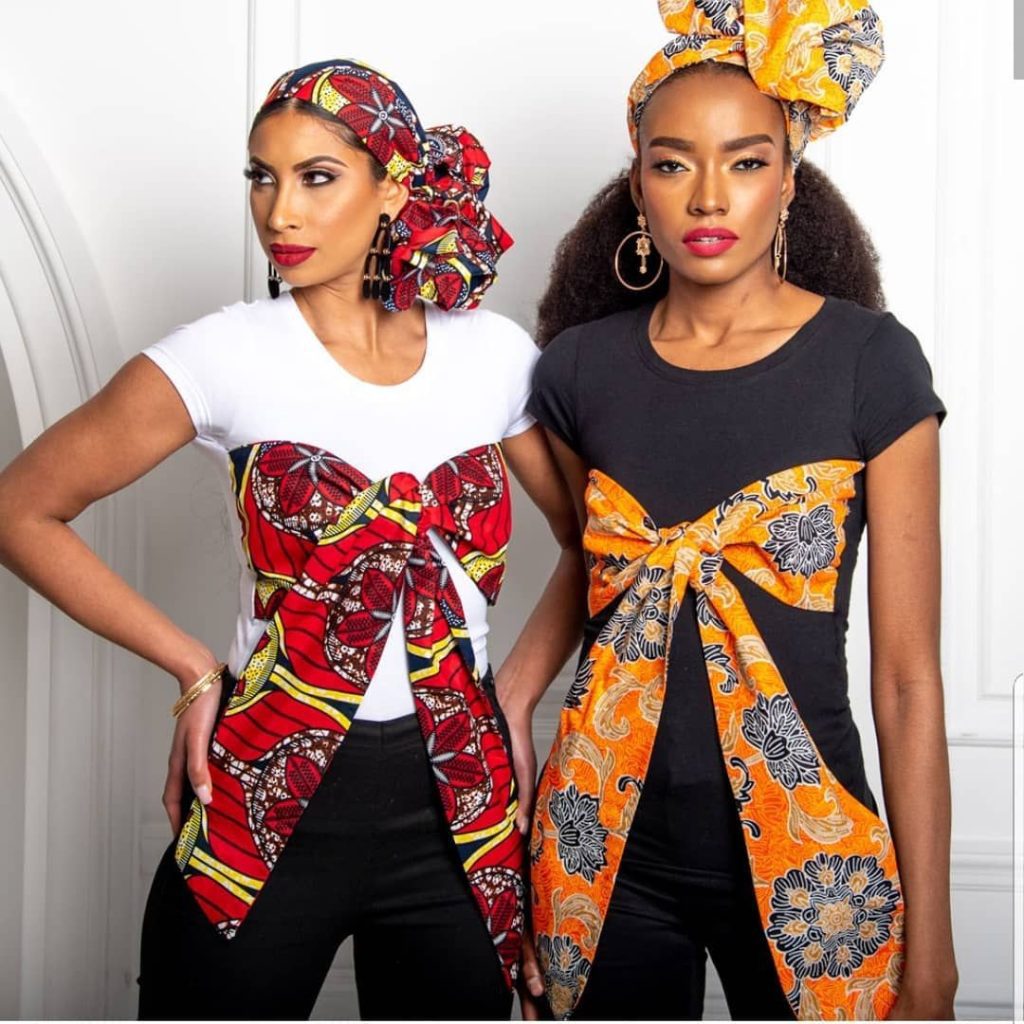
Few gifts communicate cultural pride as immediately as African print fashion. A well-made Ankara shirt, wrap skirt, or dress is wearable art — and deeply personal. When you give someone a piece made from fabric you chose, in a style that fits their taste, you’re giving them something no algorithm could recommend.
What to look for: well-lit product photos that show the true print color, a vendor with clear sizing guides, and a return policy you understand before purchasing.
Best for: Birthdays, graduations, cultural events, Mother’s Day.
2. Shea Butter & Natural Body Care
For: Anyone who cares about their skin (everyone).
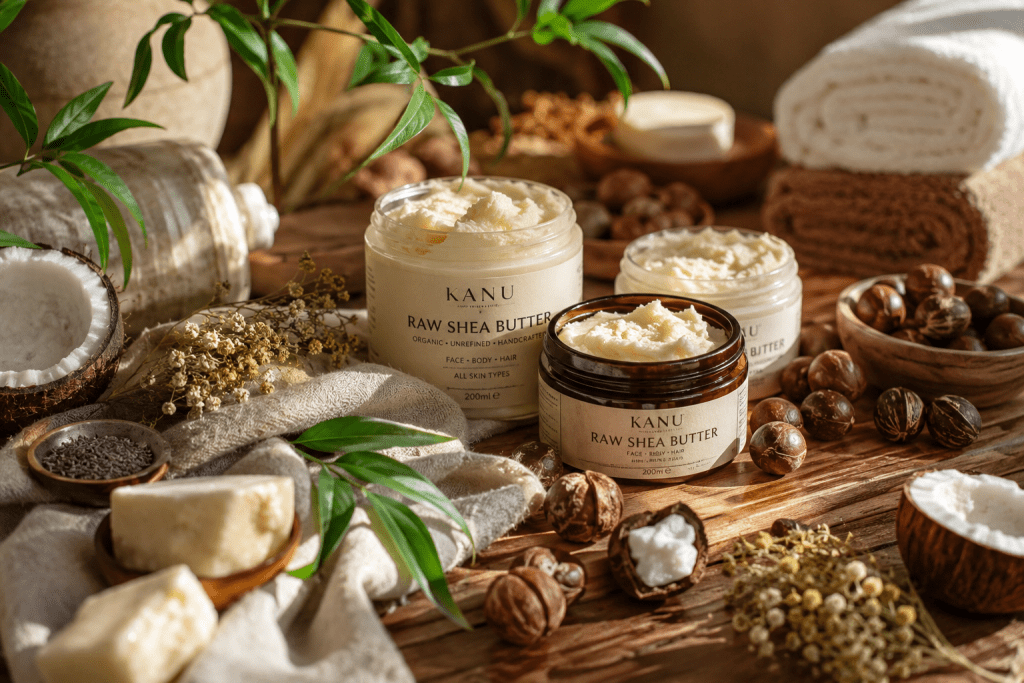
Pure, unrefined Shea butter is one of West Africa’s most beloved exports — and for good reason. It moisturizes, protects, and heals in ways that no synthetic lotion can replicate. The problem? Most “Shea butter” products in Western stores are diluted, over-processed, and overpriced.
Authentic Shea butter from artisan vendors is a completely different product — richer, more fragrant, and considerably more effective. The same goes for black soap, neem oil treatments, and other traditional body care staples.
What to look for: vendors who specify origin (Ghanaian, Nigerian, etc.), indicate whether it’s raw or processed, and describe the scent profile.
Best for: Care packages, wellness-focused recipients, new mothers.

3. African Spices & Seasoning Blends
For years, African artisans and small business owners faced the same exhausting choice: sell locally (and limit your market) or fight for visibility on massive platforms like Etsy or Amazon that weren’t designed with African goods — or African sellers — in mind.
The fees alone were enough to sink a small operation. Listing fees. Monthly subscription fees. Transaction fees. Payment processing fees. Advertising fees, just to show up in search results. By the time a buyer paid $40 for your Ankara bag, you might clear $18.
And that’s before accounting for the cultural mismatch. Categories designed for Western crafts. Search algorithms that buried “African wax print” listings because they didn’t match familiar Western shopping patterns. Customer service that didn’t understand your context.
Something had to change.
4. Woven Baskets & Home Décor
For: The homemaker, the aesthetic-conscious, the proud.
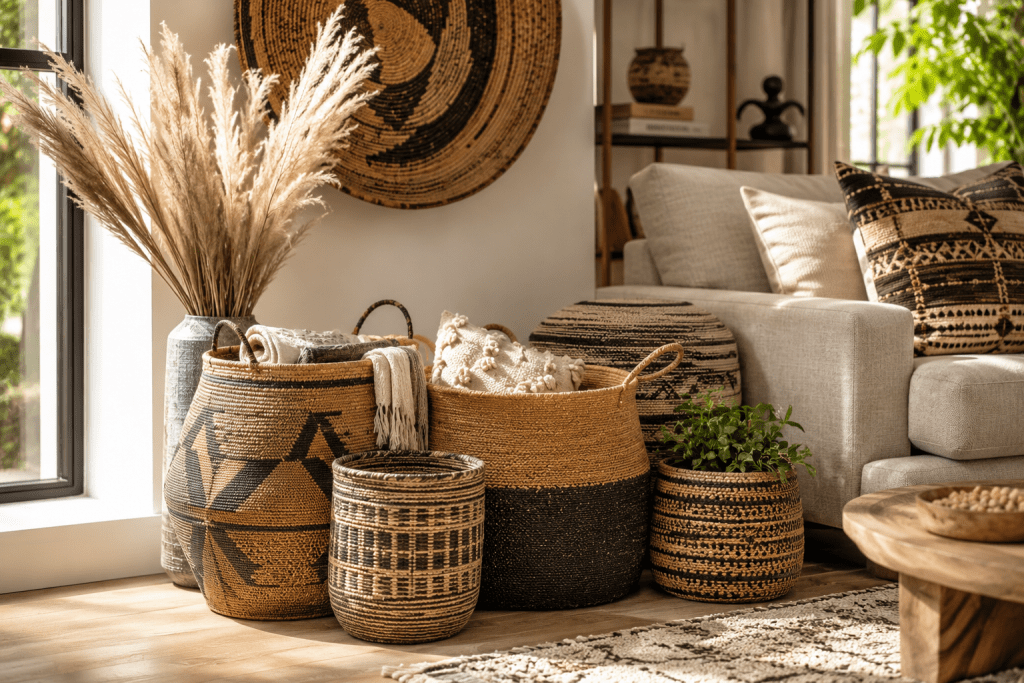
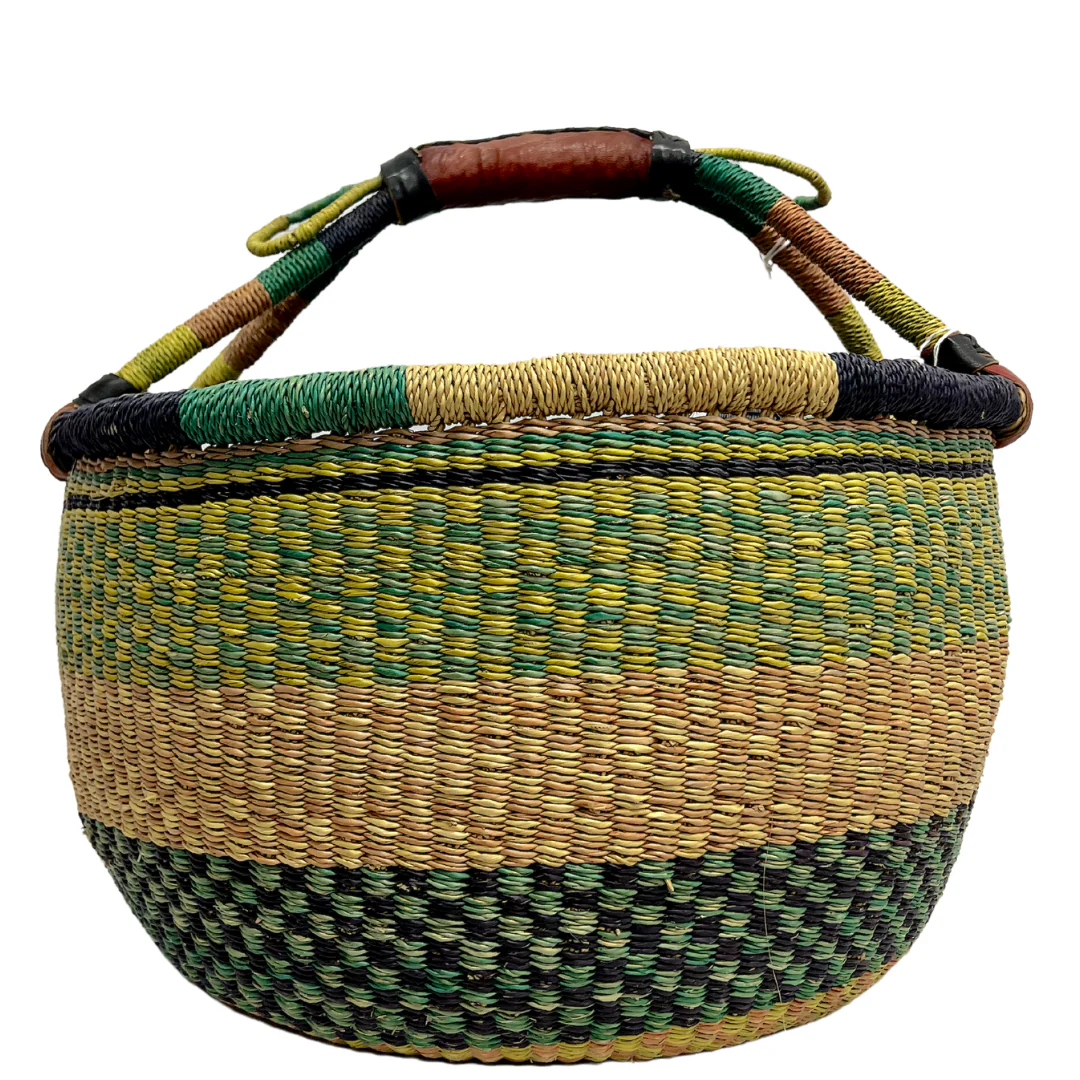
African craft baskets — whether Rwandan peace baskets, Ghanaian bolga baskets, or South African Zulu coiled bowls — have crossed over into mainstream interior design. But when you source them directly from artisan vendors, you’re not buying a trend. You’re buying a tradition.
These make genuinely beautiful home gifts that carry a story — and that story is worth telling.
What to look for: vendor descriptions that name the craft tradition and region, and clear dimensions (basket photography can be deceptive about scale).
Best for: Weddings, housewarmings, anyone upgrading their living space.

5. African Coffee & Herbal Teas
For: The morning ritual person.
Ethiopia is the birthplace of coffee. Rwanda, Kenya, and Tanzania produce some of the world’s most celebrated single-origin beans. Yet most diaspora communities have to settle for mass-market blends when what they want is a proper cup connected to home.
Similarly, herbal teas like moringa, hibiscus (zobo), and rooibos carry flavors that are deeply tied to African home life — and make distinctive, thoughtful gifts for anyone who takes their morning cup seriously.
What to look for: roast date for coffee (freshness matters enormously), clearly labeled herbal ingredients, and secure sealed packaging.
Best for: Any occasion, colleagues, health-conscious recipients.

6. African Children’s Books & Educational Toys
For: Diaspora kids who deserve to see themselves in stories.
One of the most frequently expressed needs in diaspora parenting communities is for children’s books and learning materials that reflect African cultures, characters, and stories. Western bookstores carry very few, and what they do carry often presents Africa through an outsider’s lens.
Vendors on Sporahub who sell children’s educational materials are filling a real gap — and a gift of books featuring African protagonists, African settings, and African languages is one of the most meaningful things you can give a diaspora child.
Best for: Baby showers, birthdays, Christmas, Kwanzaa.
7. Handcrafted Jewelry & Accessories
For: The person who wears their identity.
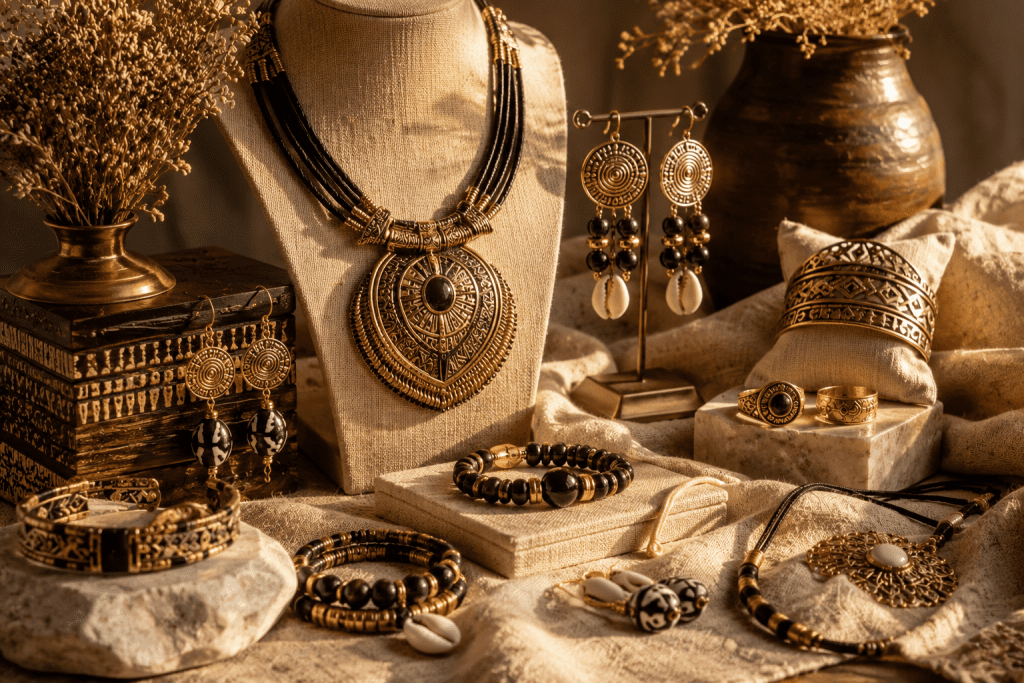
From hand-beaten gold and bronze earrings to beaded Maasai bracelets to woven Kente accessories, African jewelry is distinctive, versatile, and meaningful. Unlike mass-produced fashion jewelry, handcrafted pieces carry the mark of the maker — and that uniqueness is part of what you’re giving.
What to look for: material descriptions (what metals, stones, or materials are used), care instructions, and vendors with enough product photos to show how the piece looks when worn.
Best for: Birthdays, Valentine’s Day, celebrations of achievement.

8. Traditional Games & Cultural Objects
For: The family that plays together.
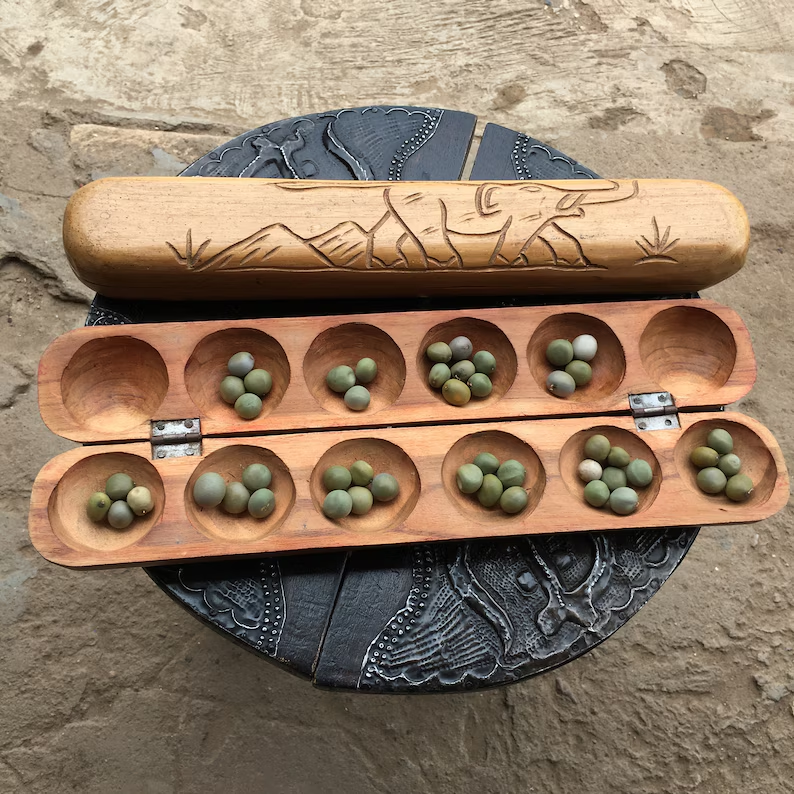
Oware, Ayo, Mancala — these ancient African games have been played for millennia and are genuinely fun for all ages. A beautifully made wooden game set is simultaneously a gift, a family activity, and a cultural education.
Similarly, traditional instruments, storytelling cards, or cultural object collections make gifts that open conversations and pass traditions down to younger generations.
Best for: Family gifts, cultural events, educational households.
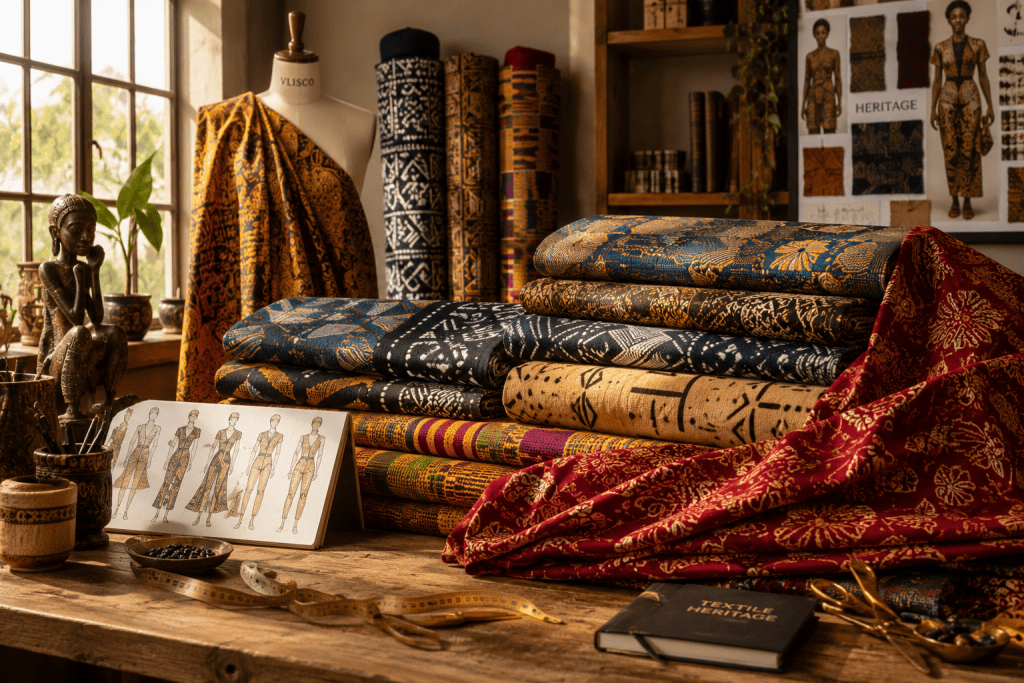
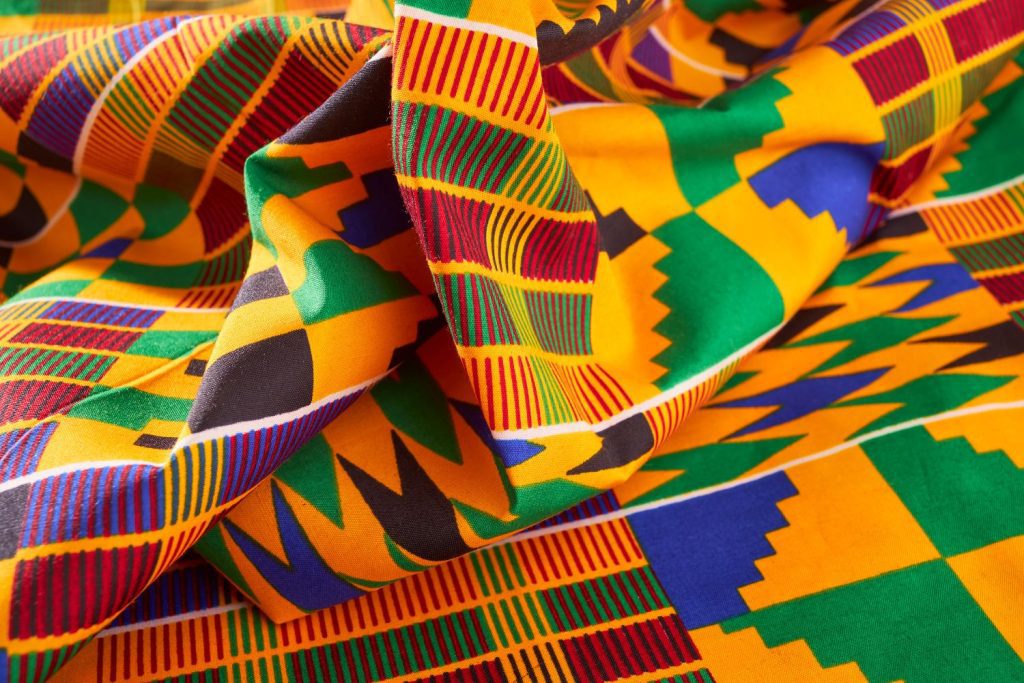
9. Premium African Fabrics (Uncut)
For: The tailor, the crafter, the fashion-forward.
Not everyone wants a finished garment. For diaspora community members with a sewing machine, a good tailor relationship, or a creative streak, a length of quality African fabric — Kente, Kanga, Adire, or Mud cloth — is a gift that becomes whatever they imagine.
This is also a practical option when sizing is uncertain: fabric is the gift; the garment comes later.
What to look for: thread count and weave type for durability, fabric weight (lighter for tropical climates, heavier for Western winters), and accurate color photography.
Best for: Fashion lovers, crafters, community events and celebrations.
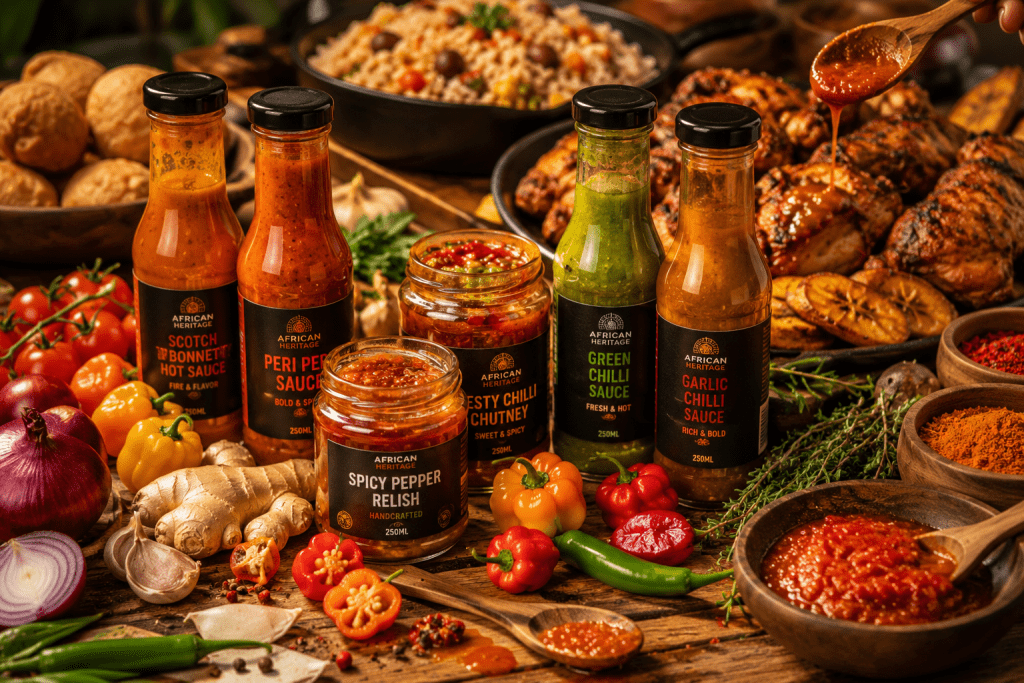
10. African Hot Sauces & Condiments
For: The heat-seeker, the flavor-chaser, the person who finds Western hot sauce inadequate.
Scotch bonnet pepper sauce. Harissa. Peri-peri. Chermoula. African condiments occupy a completely different flavor dimension than their Western equivalents — more complex, more aromatic, and often considerably hotter.
A curated selection of artisan hot sauces and condiments from different African culinary traditions is an increasingly popular gift for both diaspora recipients and adventurous food lovers of any background.
What to look for: heat level descriptions, ingredient transparency, and sealed tamper-evident packaging for international shipping.
Best for: Food lovers, creative cooks, anyone who’s ever complained that Western chili sauce “doesn’t taste like anything.”
A Note on Shipping
When shopping on Sporahub, always check the vendor’s listed shipping methods and estimated delivery times before purchasing for a specific occasion. Vendors fulfill and ship their own orders — some offer international shipping, others ship domestically only. For time-sensitive gifts, it’s worth messaging the vendor directly to confirm availability and shipping speed.
And if something doesn’t arrive as expected? Sporahub’s dispute resolution process is there to help.
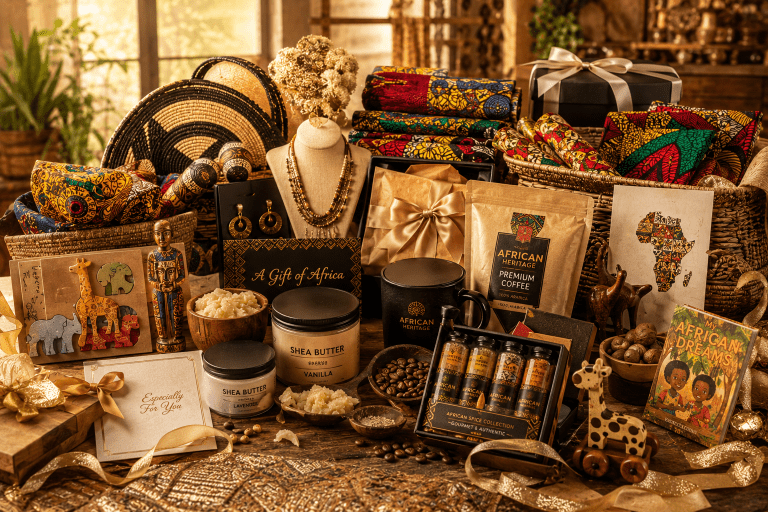
Find Your Gift on Sporahub
Every product category listed above has vendors on Sporahub who have built their stores around exactly these goods. Browse by category, read vendor profiles, and look for stores with reviews — they’re the ones who’ve already built trust with buyers like you.
Got a vendor you love on Sporahub? Leave them a review — it genuinely helps other diaspora shoppers find the real thing.